Skip to product information
1 of 7

TrailGuard Gaiter

TrailGuard Gaiter

Regular price $29.99
Sale price $29.99
Sale Sold out
Color
Size
Quantity

Keep the Trail Out. Keep Your Legs Dry. Keep Moving.

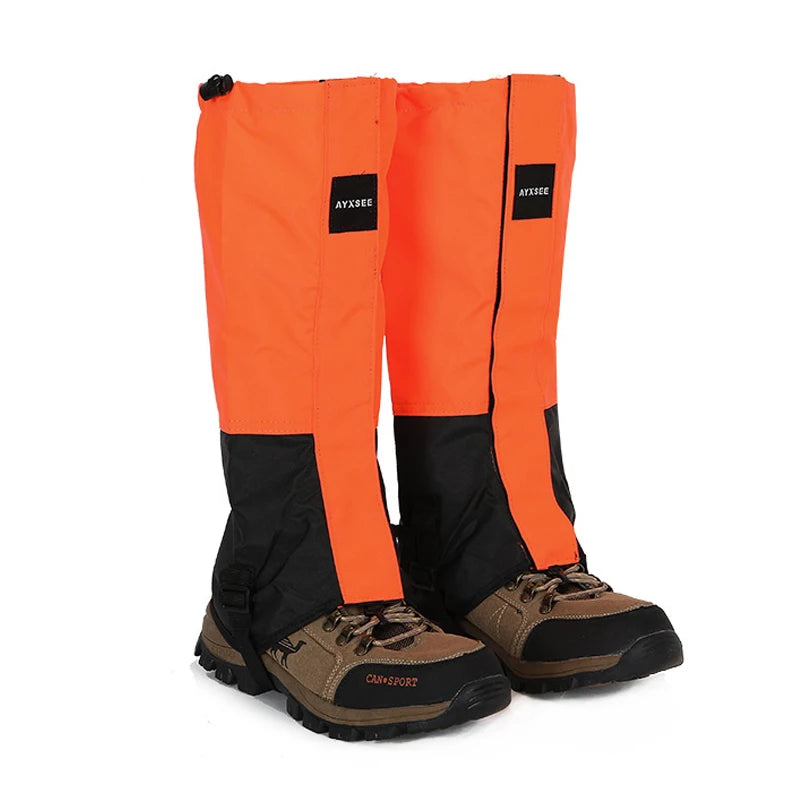
Every serious hiker knows the moment. You hit a muddy section, a snow patch, or a wet brush-lined trail and within three steps your socks are soaked, your boots are full of debris, and every mile after that becomes a cold, uncomfortable battle against wet feet and rubbing grit. TrailGuard Gaiter is the waterproof knee-high hiking gaiter built to seal that gap between your boot and your trail pants and keep everything below the knee completely protected from snow, mud, water, and debris. The waterproof nylon upper repels moisture across sustained wet trail conditions. The reinforced black lower section handles the daily abrasion and brush contact that destroys unprotected leg coverage. The drawstring top closure seals against your leg at the exact height you need. And the underfoot stirrup strap keeps every gaiter locked in position no matter how technical the terrain gets beneath your feet. Available in black, yellow-green, blue, and navy. Put them on. Walk through anything. Arrive with dry legs.

Waterproof Nylon Upper Construction TrailGuard Gaiter is built with a waterproof nylon upper that creates a complete moisture barrier from your ankle to your knee across snow fields, wet brush, stream crossings, and muddy trail sections that would soak through standard trail pants in minutes, which means the lower half of your body stays dry and protected throughout every hour of wet weather hiking without relying on your trail pants alone to keep moisture from reaching your skin and socks, so that you hike further, stay warmer, and avoid the blisters, chafing, and discomfort that wet lower legs and soaked socks always create on long trail days in unpredictable weather.

Reinforced Abrasion-Resistant Lower Section TrailGuard Gaiter features a thick reinforced black lower section covering the ankle and lower leg where trail brush, rocky terrain, and repeated boot contact create the most abrasion and wear damage on any gaiter, which means the most vulnerable section of your leg coverage stays structurally intact and fully protective across seasons of hard trail use rather than wearing through at the contact points after a single demanding season, so that you invest once in gaiters that deliver full ankle-to-knee protection on every trail day rather than replacing thin lower sections that abrade through and fail before the waterproof upper has even been properly tested.

Drawstring Top Closure and Underfoot Stirrup TrailGuard Gaiter is built with a drawstring top closure that cinches to your exact leg circumference and an underfoot stirrup strap that anchors the gaiter firmly beneath your boot sole, which means the gaiter stays locked in position at both the top and bottom simultaneously without sliding down your leg, riding up over your boot, or creating gaps that allow debris and moisture to enter from the top or bottom during movement on technical terrain, so that TrailGuard Gaiter maintains a complete sealed coverage from boot top to knee across every step of your hike without requiring mid-trail readjustment every time the terrain demands aggressive movement.

Four High-Visibility Color Options TrailGuard Gaiter comes in black, yellow-green, blue, and navy colorways that range from bold high-visibility to understated tactical depending on your trail preference and safety requirements, which means you choose gaiters that match your existing kit and visibility preference rather than defaulting to a single colorway that clashes with everything else in your trail wardrobe, so that TrailGuard Gaiter looks like an intentional premium gear choice on the trail and the bold color options make you significantly more visible to other hikers and trail rescue personnel in the low-visibility wet weather conditions where gaiters are most critical.

View full details

Cheap Gaiters Soak Through After One Hour — Trail Nomads Stay Sealed Through All-Day Winter Hikes

The Gaiters That Actually Keep Your Feet Dry Through Deep Snow

Ready To Stop Dumping Snow Out Of Your Boots?

Waterproof Construction That Actually Keeps Moisture Out Instead Of Just Delaying It

Instead of water-resistant nylon that holds out light rain for thirty minutes but soaks through completely once you're dealing with real snow depth or stream crossings, this uses genuinely waterproof materials with sealed seams that maintain complete moisture barrier through hours of wet trail exposure, which means your socks and boots stay dry even when you're postholing through deep snow or hiking through spring runoff where water is constantly splashing up your legs, so you're not dealing with the blisters and cold feet that come from wet socks grinding against wet boots for miles of continued hiking. Just strap them on and trust they'll keep water out through whatever wet conditions the trail throws at you instead of gambling with whether today's the day your gaiters finally soak through and ruin your hike.

Secure Closure System That Maintains Seal Tension Through Aggressive Movement

Instead of cheap velcro or hooks that lose grip after a few uses and create gaps where snow pours directly into your boots with every step, the reinforced closure system locks tight and maintains protective seal around your entire lower leg even during the knee-lifting, leg-swinging movement that comes with breaking trail through powder or climbing steep terrain, which means debris and moisture stay outside where they belong instead of finding their way into your boots through closures that have loosened during normal hiking, so you're not stopping every quarter mile to re-secure gaiters that should stay put once you've adjusted them properly at the trailhead. Just cinch them down once and hike with confidence that the seal will hold through the entire day instead of gradually failing until you're basically hiking without protection.

Durable Instep Straps That Stay Anchored Without Breaking Or Riding Up

Instead of thin straps that snap under hiking stress or constantly ride up your boot heel to create the exact gaps gaiters are supposed to prevent, the reinforced instep attachment stays positioned under your boot arch and handles the repeated flexing and stress that comes with thousands of steps over rocky terrain, which means the gaiter bottom stays anchored in place to maintain complete coverage from boot to knee without the constant readjustment that makes cheap gaiters more annoying than helpful, so you're not hiking with one hand constantly reaching down to pull straps back into position or dealing with broken straps that turn your gaiters into useless fabric tubes. Just secure the instep strap at the start and forget about it—it stays where you put it through the entire hike instead of becoming another piece of equipment that requires constant attention.

Thermal Insulation That Adds Warmth Without Bulk That Restricts Movement

Instead of single-layer gaiters that provide zero insulation and leave your lower legs exposed to wind chill and temperature extremes, or overly-padded designs that add so much bulk you can't move naturally, this balances thermal protection with mobility by adding insulation that keeps your legs noticeably warmer in cold conditions without the stiffness that makes technical hiking awkward, which means you can maintain normal stride and flexibility while getting meaningful cold protection that extends how long you can comfortably hike in winter conditions before your legs start going numb, so you're not choosing between staying warm and being able to move properly through terrain that requires full range of motion. Just wear them in cold weather and appreciate the extra warmth without fighting against restricted movement that makes every step feel clumsy.

Seal. Secure. Hike Dry.

Get Yours Now! 👉
  • No more wet socks

    Hiked through six hours of deep snow and my feet stayed completely dry. Previous gaiters would have soaked through after the first hour.

  • Actually stay positioned

    Secured them at the trailhead and didn't touch them again for eight miles. No riding up, no readjusting, they just worked.

  • Survived spring mud season

    Used these through the worst mud conditions on trail and they kept everything out of my boots while staying waterproof.

  • Warm without bulk

    Added noticeable warmth to my lower legs on cold morning starts without feeling stiff or restrictive during climbing.

  • Fit my wife's boots too

    We share one pair between us since the adjustable design works on both our different boot sizes and leg dimensions.

  • Instep straps held up

    Put probably fifty miles on these through rocky terrain and the straps show zero signs of fraying or breaking.

  • Postholing protection worked

    Breaking trail through crusty snow that would have shredded my pants, and these took all the abuse without damage.

  • Worth the weight

    Added maybe a pound to my pack but kept my feet dry through conditions that would have ended my hike early with wet boots.

  • Stream crossing insurance

    Crossed multiple snowmelt streams where water splashed up my legs, and nothing got through to my socks or boots.

FAQs

Will these actually fit over my specific boots, or do I need to order a specific size?

They're designed with adjustable closures that accommodate most hiking and winter boots ranging from trail runners to insulated mountaineering boots. The velcro and strap system lets you dial in the fit around different boot volumes and calf sizes. That said, if you're wearing extremely bulky winter boots or have unusually large or small calves, check the sizing specifications before ordering. For most standard hiking boots and average leg dimensions, the adjustability handles the fit without issues. The universal design works for both men and women—it's about boot size and calf circumference, not gender-specific patterns.

How tall are these, and will they protect against deep snow or just light powder?

These extend from just above your boot to below your knee, giving you roughly 16-18 inches of coverage depending on your leg length. That's enough protection for moderate to deep snow conditions—they'll handle knee-deep powder and serious winter hiking without snow pouring over the top. If you're regularly dealing with thigh-deep snow where you're fully postholing, you'd need expedition-length gaiters that go higher. For most winter day hiking, snowshoeing, and winter camping where you're dealing with normal accumulation and trail breaking, these provide adequate height without being so tall they're awkward for non-extreme conditions.

Can I use these in three-season conditions, or are they too warm for anything except winter?

They're primarily designed for cold and wet conditions where you need both moisture protection and warmth. In summer heat, they'd be overkill and uncomfortable—you'd be better off with lightweight trail gaiters if you just need debris protection. But for spring mud season, fall rain, and obviously winter snow, they're perfect. The insulation adds warmth without making them unbearably hot in shoulder-season temps where mornings are cold but afternoons warm up. If you're only hiking in summer and need something to keep pebbles out, these are probably too much. If you hike year-round or focus on cold-weather trips, they're worth having.

How do I clean these after they get covered in mud without ruining the waterproofing?

Rinse them with clean water to remove mud and debris, then let them air dry completely. Don't throw them in a washing machine or dryer—the heat and agitation can damage the waterproof coating and seam seals. For stubborn dirt, use a soft brush and mild soap, but avoid harsh detergents. After multiple seasons of use, the waterproofing might need refreshing—you can apply aftermarket waterproofing spray designed for technical fabrics to restore water repellency. With basic care (rinsing after muddy hikes and proper drying), they'll maintain waterproof performance through many seasons without special treatment.

Will the instep strap damage my boots or wear through over time?

The strap is designed to sit under the arch of your boot where it's not constantly grinding against rough terrain. It will show wear over time—that's normal for any gaiter system—but it's reinforced to handle hundreds of miles before needing replacement. Some hikers add athletic tape to the underside of their boots where the strap contacts to extend strap life, though this isn't usually necessary. The strap won't damage quality hiking boots; if anything, the gaiters protect your boots by keeping debris out and reducing the amount of mud and moisture your boots are exposed to. Just inspect the strap periodically for fraying and replace if it's getting thin.